You eat well. You move your body. Yet one stubborn area, maybe your lower belly, thighs or upper arms, just won’t change. If that sounds familiar, you are not alone, and it is not a lack of willpower. Fat in certain areas can be very hard to shift, at any age.
That is why many women look into cavitation fat reduction treatment, a non-surgical option that uses sound waves to target fat under the skin. But with so much conflicting advice online, it is hard to know what is real. This guide gives you an honest, simple answer: how it works, who it suits, what results to expect, how safe it is, and how it compares with other options in Dubai, including fat freezing and skin tightening.
In this guide: what cavitation is, how it works, what it can and can’t do, who it suits, what happens in a session, safety, results timeline, comparison with other treatments, cost, and how to choose a clinic.
What Is Cavitation Fat Reduction Treatment?
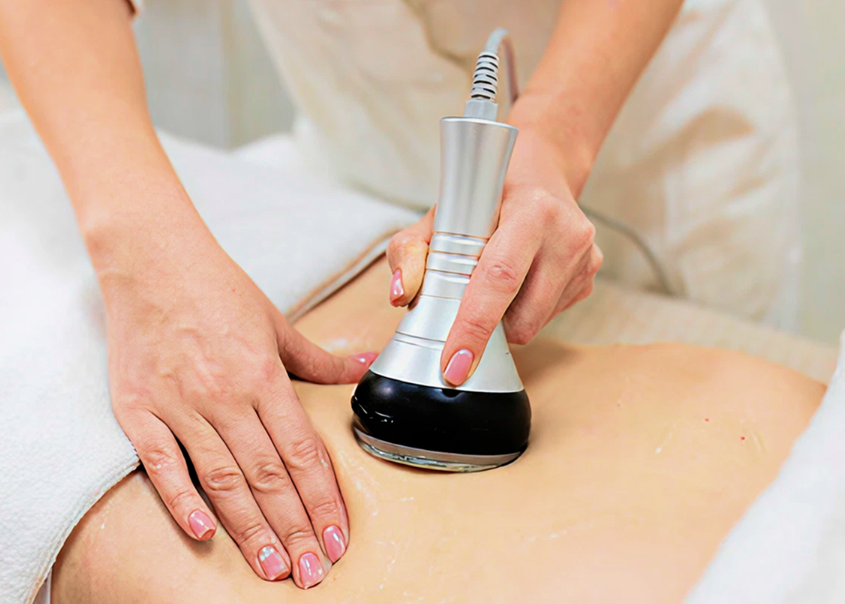
Cavitation is a non-surgical body contouring treatment. It is also called ultrasonic cavitation, ultrasound cavitation or ultrasonic lipolysis. A trained therapist moves a handheld device over the skin. The device sends low-frequency ultrasound waves into the layer of fat just under the skin.
The goal is not to make you lose kilos. The goal is to reduce inches in a chosen area, so your clothes fit better and your shape looks more balanced. That is why progress is usually measured with a tape measure, not just a weighing scale.
Cavitation is best suited to women who are in good health and fairly close to a comfortable weight, but have small pockets of fat that do not respond to diet and exercise. You can read about the treatment we offer on our ultrasonic cavitation page.
How Does Cavitation Work? A Simple Explanation
Think of the ultrasound waves as a gentle vibration deep under the skin. These waves create tiny bubbles around fat cells. As the bubbles form and collapse, they put pressure on the walls of the fat cells and weaken them. The fat inside is then released and the body clears it through its natural systems, mainly the lymphatic system.
A few points are worth knowing:
- You will not feel anything being “melted”. The process happens quietly under the skin.
- Your body does the clearing work over the following days and weeks. That is why drinking enough water matters.
- Experts and clinics describe the exact process slightly differently, and research on cavitation is still limited. So any clinic that promises a fixed result for every woman is overselling.
If you want to support the clearing process, many clients also add a lymphatic drainage massage to their plan.
What Cavitation Can Do and What It Can’t
Being clear about this saves you time and money.
Cavitation can help with:
- Reducing inches in a treated area such as the belly, waist, hips, thighs and upper arms
- Improving shape and contour
- Targeting stubborn pockets that don’t respond to diet and exercise alone
- Working well alongside other treatments for a fuller result
Cavitation cannot:
- Replace weight loss or treat a large weight concern. If your main goal is losing weight, ask about our medical weight-loss options instead.
- Remove the deep belly fat that surrounds your organs. Cavitation works on the fat just under the skin.
- Tighten loose skin on its own. Skin tightening needs a different technology (more on that below).
- Stop fat from returning if your weight goes up again.
Is Cavitation Right for You? A Simple Self-Check for Women 20+
Cavitation can suit women from their 20s onwards, as long as they are healthy adults. The plan may look different at different life stages:
- In your 20s and early 30s: You may be active and healthy, with one or two areas that won’t budge. Cavitation can be a good fit for contouring those areas.
- In your 30s and 40s, often after pregnancy: Your body shape may have changed. Cavitation is not suitable during pregnancy or breastfeeding, but may be an option once your doctor confirms it is safe for you.
- From your 40s onwards: Hormonal changes and a slower metabolism can change where fat sits. Skin may also be less firm, so cavitation is often paired with a skin-tightening treatment.
A quick at-home check: Gently pinch the skin and fat on the area you want to treat. If you can pinch a good layer, there is fat that cavitation can work on. If the layer is very thin, there may be little to treat, and a doctor can advise you better. This is only a rough guide, not a diagnosis.
A good candidate is usually someone who:
- Is in good general health
- Does not smoke
- Is close to her goal weight and wants to target small areas
- Has realistic expectations and is ready to support results with healthy habits
Only a proper consultation can confirm if cavitation is right for you. You can book a free consultation with our team.
Who Should Avoid Cavitation?
Cavitation is not for everyone. In general, treatment is not recommended if you:
- Are pregnant or breastfeeding
- Have a pacemaker or other electronic or metal implant
- Have a bleeding or clotting problem, or take blood-thinning medicine
- Have an infection or skin inflammation in the area to be treated
- Have certain heart, liver or kidney conditions
- Have a history of cancer
This list is general. Your doctor will go through your health history and confirm what applies to you. If you are unsure about anything, ask before you book.
What Happens During a Cavitation Session? Step by Step
Knowing what to expect makes the first visit much easier.
- Consultation and measurements. The team asks about your health and goals, and takes measurements of the area.
- Preparation. The area is cleaned and a gel is applied so the device glides smoothly.
- Treatment. The therapist moves the device slowly over the area. A session usually lasts 30 to 60 minutes, depending on the size of the area.
- Finishing up. The gel is wiped away and you get simple aftercare advice.
- Back to your day. There is no downtime. Most women go straight back to work or errands.
During the treatment you may feel mild warmth or tingling. Some women also notice a faint humming or buzzing sound near the device, which is normal.
Does Cavitation Hurt? Side Effects and Safety
Most women find cavitation comfortable. It does not need anaesthesia, cuts or needles.
Possible mild effects include temporary redness, warmth or tenderness in the treated area, which usually settle on their own. Some women feel thirsty afterwards, which is a good reminder to drink water.
Safety depends a lot on who treats you and what equipment is used. Choose a licensed, doctor-led clinic with trained staff, not a salon that skips health checks. Contact your clinic if you notice anything unusual, such as strong pain, blistering or swelling that does not settle.
At Slim Polyclinic, treatments are supervised by Dr. Ambar Amjad, and every client starts with a consultation.
How Many Sessions Do You Need, and When Will You See Results?
You may have noticed that websites give very different numbers, from a few sessions to over a dozen. There is a reason. Clinics use different machines, treat different areas, and build different packages. Your own number depends on how much fat you have in the area, your goals, and your body’s response.
At Slim Polyclinic, a course of cavitation usually involves around 6 to 12 sessions, about a week apart. Your doctor will set the exact plan after your consultation.
What a realistic timeline can look like:
- After the first sessions: Some women notice their clothes feel a little looser or the area feels smoother. Others notice nothing yet, and that is normal.
- Mid-course: Measurements usually show the clearest change, as the treatments add up.
- A few weeks after the last session: The body keeps clearing, so your final shape continues to settle.
How to track your progress: Measure the same spot with a soft tape at the same time of day, and take photos in the same light. Small, steady changes are easier to see this way than in the mirror.
Results vary from person to person, and no clinic can honestly guarantee a specific number of centimetres.
Which Body Areas Respond Best?
Cavitation works best on areas with a layer of localized fat:
- Abdomen: to help smooth and slim the lower belly and waistline
- Flanks (love handles): to reduce side fat
- Thighs: to contour the inner and outer thigh
- Hips: to define your curves
- Upper arms: to reduce softness on the back of the arms
It is not used on the head, neck or bony areas.
Cavitation vs Fat Freezing in Dubai (and Other Options)
If you are searching for fat freezing in Dubai, you have probably also seen cavitation, injections and more. Here is a simple comparison so you can see where each one fits.
Ultrasonic Cavitation
Uses sound waves to target fat under the skin. It is comfortable, has no downtime, and is done over a series of sessions. It suits small, stubborn areas.
CoolTech Fat Freezing
CoolTech fat freezing uses controlled cooling to target fat cells. The body then clears them gradually over the following weeks. You may feel a strong cooling sensation at first, then numbness in the area. It is a popular choice for pinchable fat on the belly, flanks and thighs. Your doctor can tell you how many sessions your area may need.
Fat-Dissolving Injections
Lemon Bottle and Aqualyx are injection treatments for small pockets of fat. They may involve some swelling or tenderness for a short time, so they suit women who are comfortable with injections.
Muscle Toning
Tesla Sculpt focuses on muscle toning and shaping rather than on fat alone. Some women combine it with fat-reduction treatments.
Skin Tightening
If you worry about loose or crepey skin, look at Venus Legacy non-surgical skin tightening in Dubai. It uses radiofrequency technology to help firm the skin and improve contour, without surgery or incisions. VelaShape III is another option, often chosen for the look of cellulite.
Liposuction
Liposuction is a surgical treatment that removes fat. It involves anaesthesia and recovery time, so it is a bigger decision. Non-surgical options suit women who want to avoid surgery.
A simple way to choose:
- Want to reduce inches in small areas with no downtime? Cavitation may suit you.
- Have pinchable fat in a specific area? Fat freezing may be worth discussing.
- Worried about loose skin? Add skin tightening.
- Want a firmer, more toned look? Ask about muscle toning.
A doctor can help you pick after looking at your body and goals. There is no single best treatment for everyone.
Can You Combine Cavitation With Other Treatments?
Yes, and many women get better overall results this way. Each treatment does a different job:
- Cavitation targets fat.
- Radiofrequency, such as Venus Legacy, helps tighten and firm the skin.
- Muscle toning, such as Tesla Sculpt, helps shape the area.
- Lymphatic drainage and pressotherapy support the body’s natural clearing process.
Example plans your doctor might discuss:
- Belly contouring: cavitation plus skin tightening
- Post-pregnancy shaping (after breastfeeding): cavitation, skin tightening and muscle toning
- Thighs and cellulite: cavitation plus an anti-cellulite massage
A combined plan is built for you after a consultation. Keep in mind that a result from a combination is not a result from cavitation alone.
How to Prepare and Make Your Results Last
Before your session:
- Drink water through the day
- Wear comfortable clothing
- Tell the team about all medicines, health conditions and past treatments
After your session:
- Keep drinking water to help your body clear the fat
- Stay active in a gentle way you enjoy, like walking
- Eat balanced meals that keep you full and energised
- Follow any specific advice your clinic gives you
Cavitation works best as a partner to a healthy lifestyle, not a replacement for it. The treated fat cells are affected, but if your weight goes up significantly, fat can return, in the treated area or elsewhere. Be kind to yourself in the process. This is about feeling comfortable in your body, not chasing perfection.
How Much Does Cavitation Cost in Dubai?
Prices vary between clinics, and they depend on:
- The size and number of areas treated
- How many sessions are in your plan
- Whether you combine cavitation with other treatments
- The clinic’s equipment, doctors and licence
Be careful with very cheap offers. Low prices can mean untrained staff, weak machines or skipped health checks. For current prices and packages, check our offers or book a free consultation to get a clear quote for your plan.
How to Choose a Safe Cavitation Clinic
Good signs:
- The clinic is licensed and doctor-led
- You get a proper health check before treatment
- The plan is explained clearly, with honest expectations
- Staff are trained and happy to answer questions
- Pricing is transparent
Red flags:
- Guaranteed results or promises of exact centimetres
- No health questions at all
- Pressure to buy a big package quickly
- Unclear pricing or no information about the machine
- A place that is not a licensed health facility
Slim Polyclinic is a doctor-led clinic at Oasis Mall on Sheikh Zayed Road, open every day. You can read more about us and our body contouring treatments.
Frequently Asked Questions
Does cavitation really work?
Many women see a reduction in inches in the treated area after a course of sessions. Results vary by body and lifestyle, and research is still limited, so a clinic should set honest expectations.
How many cavitation sessions do I need?
It depends on your area and goals. At Slim Polyclinic, a course is typically around 6 to 12 sessions about a week apart, and your doctor will set your exact plan.
Does the fat come back after cavitation?
Treated fat cells are affected, but if your weight rises, fat can return. Healthy habits help you keep your results.
Is cavitation safe, and are there side effects?
When done by trained staff in a licensed clinic, it is generally considered safe. Mild redness or tenderness can happen and usually passes quickly. It is not suitable for everyone, so a health check comes first.
Can cavitation reduce belly fat after pregnancy?
It may help contour the tummy once you have finished breastfeeding and your doctor says it is safe. It does not treat loose skin, which may need a separate treatment.
What is the best age for cavitation?
There is no single best age. It can suit healthy adult women from their 20s onwards, and the plan is tailored to each person.
Can I do cavitation if I am slim?
If you have very little fat in the area, there may be little to treat. Your doctor can check and advise you honestly.
Does cavitation tighten skin?
Not on its own. Many women pair it with radiofrequency skin tightening for a firmer look.
Can I exercise after a session?
Light activity is usually fine, and staying active is encouraged. Follow the advice your clinic gives you for your own case.
How is cavitation different from fat freezing?
Cavitation uses sound waves over a series of comfortable sessions. Fat freezing, such as CoolTech, uses controlled cooling. Both are non-surgical, and the right choice depends on your body and goals.
Final Thoughts: Is Cavitation Fat Reduction Treatment Worth It?
Cavitation fat reduction treatment can be a good choice if you are healthy, close to your comfortable weight, and want to slim a few stubborn areas without surgery or downtime. It is not a weight-loss shortcut, it will not tighten loose skin by itself, and results depend on you and your clinic.
The best next step is simple: talk to a doctor who can look at your body and your goals, then explain your options, whether that is cavitation, fat freezing, skin tightening, or a mix.
Ready to find out what suits you? Book a free consultation at Slim Polyclinic, call 04 343 7987, or message us on WhatsApp.