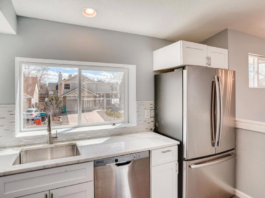

Buying, selling or managing a residential property in Dubai involves important financial decisions. Whether you own an apartment, villa, townhouse or investment property, knowing its current market value can help you make informed choices. Residential property values can vary depending on location, property condition, building quality, market demand and recent transactions.
Residential property valuation services in Dubai help property owners, investors, lenders and businesses understand what a residential asset may be worth at a specific date. An independent valuation also provides supporting evidence for transactions, financial reporting, investment planning and other property-related decisions.
This guide explains how residential properties are valued in Dubai, which factors influence their market value and when you may need an independent valuation report.
What Are Residential Property Valuation Services in Dubai?
Residential property valuation is the process of estimating the value of a home or residential asset on a specific date. A qualified valuer reviews the property’s features, location, condition and relevant market evidence before preparing a valuation report.
The purpose of the valuation can influence the approach and information required. For example, a property valuation for a sale may focus on recent comparable transactions, while a valuation for an investment decision may also consider rental income and expected occupancy.
It is important to understand the difference between market value and asking price. An asking price is the amount a seller hopes to receive. Market value is an independent opinion based on relevant evidence and the assumptions used in the valuation.
An independent valuation can help you:
- Understand the estimated market value of your property.
- Support buying, selling and refinancing decisions.
- Assess the value of residential investment assets.
- Prepare information for financial reporting.
- Support legal matters and property-related disputes.
Types of Residential Properties That Can Be Valued
Dubai has a wide range of residential property types. Each has different characteristics that can influence its value.
Apartments and Penthouses
Apartment valuation considers factors such as location, floor level, layout, size, views, building facilities and property condition. A penthouse may require additional consideration of its terrace, privacy, design and exclusive features.
Villas and Townhouses
Villa and townhouse valuations consider the plot size, built-up area, number of bedrooms, layout, parking, landscaping and overall condition. Community facilities and access to nearby services may also influence value.
Residential Compounds
A residential compound may contain several units, shared facilities and common areas. The valuer needs to consider the individual properties as well as the wider asset and its overall characteristics.
Off-Plan Properties
Off-plan properties are valued before construction is complete. The assessment may consider the development’s progress, expected completion, unit specifications, payment plan, developer information and relevant market evidence.
Branded and Serviced Residences
Branded residences and serviced apartments may have features that differ from standard residential units. Their location, services, operating arrangements, facilities and potential income can be relevant to the valuation.
Residential Land and Plots
Residential land valuation considers factors such as plot size, location, permitted use, planning restrictions, development potential and comparable land transactions.
What Factors Affect Residential Property Values in Dubai?
Several factors influence the value of a residential property. Two homes in the same community may have different values because of their individual features and condition.
1. Location and Community
Location is an important factor in residential valuation. Access to transport, schools, healthcare, retail facilities, employment areas and leisure destinations can influence buyer and tenant demand.
For example, residential properties in Dubai Marina, Downtown Dubai, Dubai Hills Estate, Jumeirah Village Circle and Palm Jumeirah have different property types, community features and market characteristics.
A valuer considers relevant evidence from the property’s own location rather than relying only on general market trends.
2. Property Size and Layout
The total area, usable space, number of bedrooms and overall layout can affect value. A well-planned apartment may appeal to a different group of buyers or tenants than a property with an inefficient layout.
For villas, plot size and outdoor space may also be important.
3. Floor Level and Views
For apartments, floor level, natural light and views can influence market appeal. A unit overlooking the sea or a recognised community feature may attract different interest from a similar unit facing an internal service area.
However, the impact of a view depends on buyer preferences and available market evidence.
4. Building Quality and Property Condition
The condition of the building and individual unit can affect value. A valuer may consider the age of the property, maintenance history, visible defects, quality of finishes and available facilities.
A recently renovated apartment may have different market appeal from a similar unit requiring significant repairs.
5. Comparable Market Transactions
Recent transactions involving similar properties help valuers understand market conditions. The valuer reviews relevant sales and considers differences in size, floor, location, condition, layout and other features.
Asking prices can provide additional context, but completed transactions are generally more useful evidence of actual market activity.
6. Rental Demand and Occupancy
For investment properties, rental income and occupancy can influence the assessment. Current tenancy details, market rent, vacancy periods and operating costs may be relevant.
The importance of rental evidence depends on the property type and valuation purpose.
How Are Residential Properties Valued in Dubai?
The valuation method depends on the property, available market information and purpose of the report. Three common approaches are used in property valuation.
Sales Comparison Approach
The sales comparison approach uses transactions involving similar properties. The valuer reviews comparable sales and makes adjustments for differences such as location, size, condition, floor level and views.
For example, two apartments in the same building may have similar layouts and areas. However, one may be on a higher floor with a better view and upgraded interiors. The valuer considers these differences when assessing the subject property’s value.
Income Approach
The income approach may be relevant for residential investment properties that generate rental income. The assessment can consider current or market rent, occupancy, operating expenses and other income-related factors.
This approach can help investors understand the relationship between rental performance and property value.
Cost Approach
The cost approach may be considered where appropriate, particularly for specialised properties or situations where comparable market evidence is limited. It generally considers the land value and the cost of replacing or reproducing the improvements, with suitable adjustments for depreciation.
A valuer selects the appropriate method or combination of methods based on the circumstances. Not every property requires all three approaches.
When Do You Need a Residential Property Valuation?
An independent valuation can support several property-related decisions.
Buying or Selling a Property
If you plan to buy or sell an apartment or villa, a valuation can provide an independent view of its market value. Buyers can use the information to assess a proposed purchase, while sellers can better understand the market evidence behind their asking price.
Mortgage and Refinancing
Banks and financial institutions may require a property valuation when considering a mortgage or refinancing application. The valuation helps the lender assess the property as security.
The lender makes its own lending decision, so a valuation does not guarantee loan approval or a particular loan amount.
Financial Reporting
Companies and investors may need property valuations for financial statements, asset reporting and other accounting purposes. The valuation date, reporting requirements and applicable standards should be agreed before the assessment.
For businesses acquiring property alongside other assets, ppa valuation services dubai may also be relevant. Purchase Price Allocation (PPA) involves identifying and assigning values to acquired assets and liabilities for financial reporting. It is a separate exercise from a standalone residential property valuation, although property valuation evidence may form part of the wider process.
Investment Planning
Investors may use valuation reports to review their residential property holdings, compare investment opportunities and assess the value of individual assets.
A valuation can provide a useful reference point, but it does not predict future property prices, rental income or investment returns.
Legal Matters and Disputes
Property valuations may be required for inheritance matters, ownership disputes, settlement discussions and other legal purposes. The report should clearly state its purpose, valuation date, assumptions and supporting evidence.
How Are Off-Plan Residential Properties Valued?
Off-plan property valuation requires consideration of information that may not be available for a completed home.
The valuer may review:
- The development’s construction progress.
- The expected completion and handover date.
- The developer and project information.
- Unit size, floor, layout and specifications.
- The Sale and Purchase Agreement (SPA).
- The payment plan and outstanding amounts.
- Comparable transactions involving similar units or developments.
The valuation should clearly explain the assumptions used, particularly where construction is incomplete or market evidence is limited.
For investors, an independent assessment can provide a clearer understanding of the property’s value at the valuation date. It should not be treated as a guarantee of the eventual handover value or future resale price.
How Rental Income Influences Residential Property Valuation
Rental income is an important consideration when assessing residential investment properties. A property with a current tenant may have different income characteristics from a vacant property available for immediate leasing.
The valuer may review:
- Existing tenancy agreements.
- Current rental income.
- Market rental evidence.
- Occupancy and vacancy periods.
- Service charges and operating expenses.
- The property’s location and tenant demand.
For example, two similar apartments may have different rental arrangements. One may have a tenant paying a rent that reflects current market conditions, while the other may have an older agreement at a different rate. These details can influence the income assessment.
Rental yield is a useful investment measure, but it is not the same as market value. A proper valuation considers the wider property and market evidence.
What Is Included in a Residential Property Valuation Report?
A valuation report provides the details behind the valuer’s opinion. Its contents depend on the purpose and scope of the instruction, but a typical report may include:
- Property details: Address, property type, unit identification and relevant characteristics.
- Purpose of valuation: The reason the report has been prepared.
- Valuation date: The date to which the value opinion applies.
- Inspection details: Information about the inspection and property condition.
- Market evidence: Relevant comparable transactions and other supporting information.
- Valuation methodology: The approach used to estimate the value.
- Assumptions and limitations: Important conditions that may affect the assessment.
- Valuation conclusion: The final opinion of value and relevant reporting details.
A clear report should explain how the conclusion was reached rather than simply stating a figure.
Documents Required for Residential Property Valuation
The documents required depend on the property type and purpose of the valuation. Providing accurate information can help the valuer complete the assessment.
Common documents include:
- Title deed or ownership details.
- Owner identification, where required.
- Property address and unit details.
- Floor plan and area information.
- Sale and Purchase Agreement for applicable properties.
- Oqood or off-plan ownership details, where applicable.
- Tenancy agreement for rented properties.
- Payment plan and construction information for off-plan units.
- Relevant property or building information.
Additional documents may be needed for mortgage, financial reporting or legal purposes. The valuation company should confirm the exact requirements before starting the assignment.
How to Choose a Residential Property Valuation Company in Dubai
Choosing a suitable valuation company is important because the report may support a significant financial or legal decision. Consider the following points before appointing a valuer.
Check Qualifications and Regulatory Standing
Review the company’s professional qualifications, regulatory status and relevant approvals. Confirm that the valuer is suitably qualified for the property type and purpose of the assignment.
Review Residential Valuation Experience
Residential properties can vary significantly. Look for experience with the type of asset you need valued, whether it is an apartment, villa, off-plan unit, branded residence or residential portfolio.
Understand the Valuation Methodology
Ask how the company selects comparable transactions, assesses property condition and considers rental evidence. The report should explain the methodology and assumptions clearly.
Confirm Independence
An independent valuation should be based on relevant evidence and professional judgement. The valuer should be able to explain the conclusion without being influenced by the price a buyer, seller or owner wants to achieve.
Check the Report Scope
Before appointing a company, confirm the valuation purpose, inspection requirements, valuation date, deliverables and expected timescale. This helps ensure the report meets the intended requirements.
How Building Consultancy Supports Residential Property Decisions
A property’s market value is not the only consideration when making a property decision. Its physical condition, maintenance requirements and future repair costs can also matter.
Building consultancy services in Dubai can support property owners, investors and asset managers through services such as building condition assessments, technical inspections, maintenance planning and reinstatement cost assessments.
These services are different from market valuation. A valuation estimates the property’s value, while a building assessment examines its physical condition and technical requirements. When considered together, the findings can help owners understand both the financial and physical aspects of an asset.
For investors managing a wider portfolio, business asset valuation services in Dubai may also be relevant. Businesses may need valuations of property, plant, machinery and other assets for financial reporting, transactions or strategic planning. The appropriate scope depends on the assets involved and the purpose of the assignment.
Why Choose Western VAS for Residential Property Valuation in Dubai?
Western VAS provides valuation and advisory services for residential and other property assets in Dubai and the wider UAE. Its residential valuation work covers property types such as apartments, penthouses, villas, townhouses, residential compounds, off-plan units and investment properties.
The firm describes its valuation approach as aligned with recognised professional standards, including RICS Global Standards and International Valuation Standards, where applicable. The scope of each assignment depends on the property, intended use and reporting requirements.
Alongside residential property valuation, Western VAS provides services across property valuation, strategic advisory, investment advisory, industrial consultancy and building consultancy. This wider service capability can be useful for clients whose requirements extend beyond the value of a single residential property.
Before appointing a valuation firm, confirm that its current qualifications, regulatory standing and experience match your specific requirements.
Frequently Asked Questions
How much do residential property valuation services cost in Dubai?
The cost depends on the property type, size, location, valuation purpose, inspection requirements and report scope. Contact the valuation company with your property details to request a quotation.
How long does a residential property valuation take?
The timescale depends on the property and assignment requirements. Inspection access, document availability and the complexity of the valuation can affect delivery. Confirm the expected timeframe when arranging the instruction.
Can an apartment be valued without an inspection?
The inspection requirements depend on the purpose, scope and applicable professional standards. A valuer should explain whether an inspection is required and what limitations may apply if access is unavailable.
Is a valuation the same as a property inspection?
No. A valuation estimates the property’s value at a specific date. A property inspection or building condition assessment examines its physical condition and may identify defects or maintenance requirements.
Can off-plan properties be valued in Dubai?
Yes. Off-plan properties can be assessed using relevant project information, construction progress, unit specifications, payment details and available market evidence. The report should state the assumptions and limitations involved.
How often should an investment property be valued?
The frequency depends on the owner’s requirements, reporting obligations, lending arrangements and changes in market conditions. Businesses and investors may arrange periodic valuations to monitor their property holdings.
Understanding the value of a residential property can help you make better decisions when buying, selling, refinancing or managing an investment. The assessment should consider the property’s individual features, location, condition, comparable transactions and intended use.
Independent residential property valuation services in Dubai provide a structured view of market value and the evidence supporting it. By choosing a suitably qualified valuation company and providing the required documents, property owners and investors can obtain a report that supports their financial and property-related decisions.
Speak with Western VAS to discuss your residential property valuation requirements in Dubai.