
A small business grant can provide financial support for eligible projects without requiring repayment, provided the recipient follows the grant’s terms and conditions. Grants may be offered by government agencies, private foundations, corporations and other funding organizations. However, not every grant is available to every business and many programs support specific activities such as research, innovation, workforce development or community initiatives rather than general operating expenses. Understanding your funding needs, checking eligibility, and preparing a clear application can help you focus your search. The Grant Portal provides tools to explore grant opportunities and begin identifying programs that may align with your business goals.
What Is a Small Business Grant?
A small business grant is funding awarded to an eligible business or project for a defined purpose. Unlike a conventional loan, a grant generally does not need to be repaid when the recipient complies with the award requirements.
Grant providers establish their own rules about who can apply, what activities they will fund, and how recipients must report their use of the money. Some programs support research and development, while others may focus on manufacturing, technology, exporting, entrepreneurship or community development.
It is important to distinguish grants from loans, tax incentives, and other forms of financial assistance. A funding opportunity may be described broadly as business support, but its actual terms determine whether it is a grant and what obligations come with it.
Explore Different Sources of Small Business Grants
Government agencies are one potential source of business funding. In the United States, the Small Business Administration identifies limited grant opportunities connected to research and development, manufacturing, exporting and organizations that support entrepreneurship. The SBA also states that it does not provide grants simply to start or expand a business. Private foundations and corporate programs may offer funding for particular industries, communities or business objectives. Their application processes and eligibility rules vary, so applicants should review the official program information before preparing a proposal.
Businesses in India may also find government schemes that combine grants, subsidies, credit support, or other assistance. For example, the Prime Minister’s Employment Generation Programme (PMEGP) supports eligible new microenterprise projects under defined conditions. Applicants should consult the official scheme guidelines to understand eligibility and the application process.
Identify Your Business Funding Needs
Before searching for a grant, define what your business needs funding for. A specific objective makes it easier to identify relevant programs and prepare a focused application.
For example, a technology business developing a prototype may search for research and innovation funding. A manufacturer planning technical training may investigate programs related to workforce development. A company preparing to enter a new market may look for opportunities that support exporting or business development.
Prepare a short project description that explains the problem you want to address, the activities you plan to complete, the amount of funding required and the expected outcomes. This summary can help you compare opportunities and determine whether a grant’s purpose matches your project.
Check Eligibility Before Applying
Eligibility requirements can vary based on location, industry, business size, legal structure, project stage, and intended use of funds. Some programs accept only specific types of businesses or require applicants to work with a research institution, nonprofit or other partner.
For U.S. federal funding opportunities, Grants.gov advises applicants to read the eligibility section in each funding notice before beginning an application.
Create a checklist for each opportunity you consider. Confirm the eligible applicant types, geographic restrictions, required registrations, project requirements, deadlines and any matching-fund obligations. If a requirement is unclear, contact the grant provider through its official website or published contact information.
Prepare a Clear Grant Application
A strong application explains the business need and shows how the proposed project aligns with the provider’s goals. Describe the project clearly, outline the activities you plan to complete, and identify the results you expect to achieve.
Use specific and realistic objectives. Explain how the funding will be used and how you will measure progress. If the grant supports a defined project, make sure the proposal focuses on that project rather than presenting a general request for business capital.
A detailed budget is also important. List the expected costs and connect them to the activities in your proposal. Check whether the grant allows each expense and whether the provider requires matching funds or other financial contributions.
Depending on the program, applicants may need business registration documents, financial statements, project plans, tax information, partnership letters or other supporting materials. Follow the application instructions closely and check that all information is accurate and consistent before submission.
Track Deadlines and Application Requirements
Grant opportunities may have fixed application deadlines, recurring funding cycles, or rolling submissions. Keep a record of each program’s deadline and allow enough time to prepare documents, obtain approvals and resolve questions.
A simple tracking sheet can include the grant provider, program name, funding purpose, eligibility requirements, application link, deadline, required documents and application status. This can help you manage multiple opportunities without confusing their requirements.
After submitting an application, save a copy of the proposal and supporting documents. If the provider requests additional information, respond according to its instructions and keep a record of all communications.
Understand Grant Conditions Before Accepting Funding
Receiving a grant may involve ongoing responsibilities. The award agreement can specify permitted expenses, reporting dates, project milestones, recordkeeping requirements, and procedures for requesting changes.
Before accepting funding, make sure your business understands these obligations and has the capacity to meet them. Assign responsibility for tracking expenses, monitoring project progress and preparing required reports.
Keep invoices, payment records, contracts, and project documentation organized. Careful recordkeeping can help demonstrate that funds were used according to the award terms.
Avoid Common Small Business Grant Mistakes
One frequent mistake is applying without checking eligibility. A program may appear relevant but be restricted to a particular business type, location, industry or project stage. Reviewing the official requirements first can save time.
Another mistake is assuming grant funds can be used for any business expense. Many programs limit spending to approved project costs, so read the funding conditions before including expenses in your budget.
Be cautious of organizations or individuals promising guaranteed grant approval. Verify the provider, application process, and official contact details before sharing sensitive business information or paying fees.
Finally, avoid using the same generic proposal for every opportunity. Tailor each application to the provider’s goals and explain why your project fits the program.
Use The Grant Portal to Research Funding Opportunities
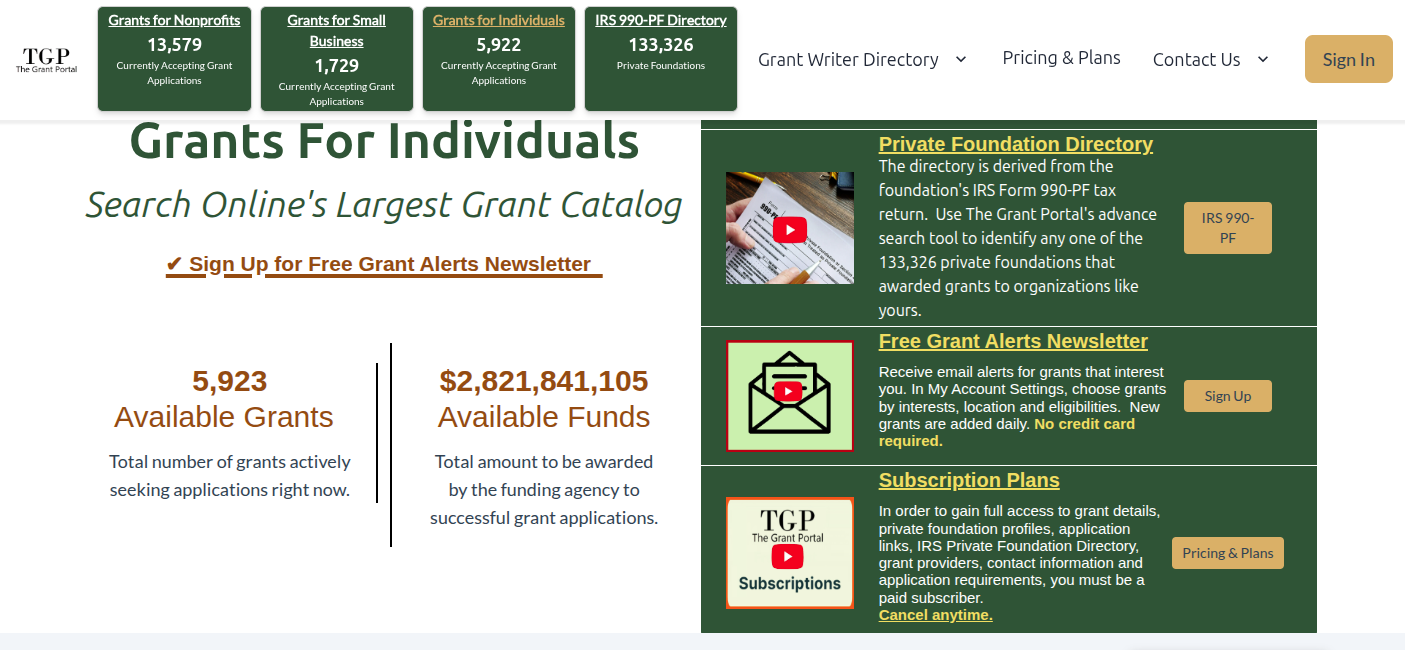
The Grant Portal is an online resource for exploring grant opportunities. Business owners can use its search tools to investigate listings by keyword, interest area, location and eligibility. These tools can help organize the discovery process and identify programs to review further.
A grant listing should be treated as a starting point for research. Always confirm current eligibility, deadlines, allowable expenses and application instructions with the funding organization itself.
Visit The Grant Portal to begin exploring opportunities that may relate to your business, industry or project goals.
Find a Small Business Grant That Fits Your Goals
Finding a small business grant begins with understanding your project, identifying relevant funding sources, and checking eligibility before applying. Whether your company is developing a new product, improving manufacturing capabilities or pursuing another eligible initiative, careful preparation can help you present a clear and complete application. The Grant Portal can support your initial research by helping you explore grant listings and organize potential opportunities. Review the official guidelines for each program before submitting an application or making financial plans around possible funding.
Frequently Asked Questions
What is a small business grant?
A small business grant is funding awarded to an eligible business or project for a defined purpose. Grant terms determine how funds may be used and what reporting or compliance responsibilities apply.
Do small business grants need to be repaid?
Grants generally do not require repayment when recipients follow the award terms. However, funding conditions vary, so review the agreement carefully.
Can I get a grant to start or expand my business?
Some programs support specific business activities, but eligibility and permitted uses vary. The U.S. Small Business Administration states that it does not provide grants simply to start or expand a business.
What documents are usually needed for a grant application?
Depending on the program, applicants may need business registration details, a project proposal, budget, financial information, tax documents or supporting materials requested by the grant provider.
How can I find grants for my business?
Research government programs, private foundations, corporate funding initiatives and grant directories. Check each opportunity’s official eligibility rules and application instructions before applying.
How can The Grant Portal help?
The Grant Portal provides search tools for researching grant listings. Use it to identify opportunities to investigate, then verify current requirements directly with the funding organization.